
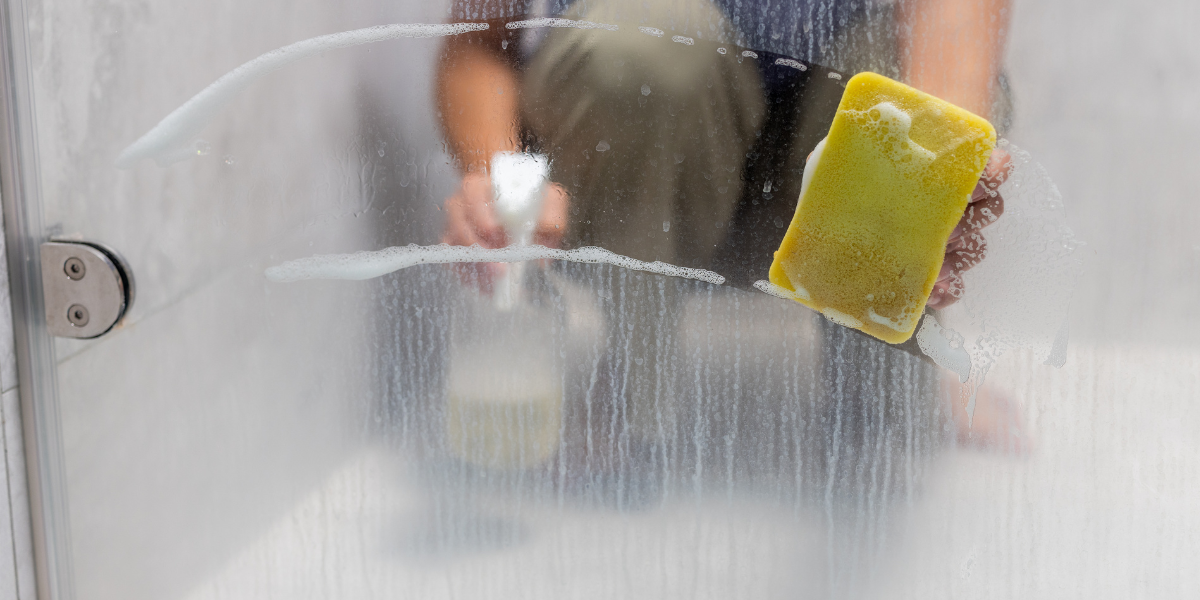
There’s something oddly frustrating about turning on the tap and feeling like your water is working against you. The soap won’t lather. The shower glass looks cloudy even after you’ve cleaned it twice this week. Your skin feels tight, your hair a little brittle. At first, you brush it off. Maybe it’s the weather. Maybe it’s the soap. But then the spots on the dishes don’t go away, and your water heater starts making that low, grumbling sound.
That’s when you start hearing the term “hard water” more often — from neighbors, plumbers, even local Facebook groups. And suddenly it clicks: this isn’t just about taste or texture. It’s about what’s flowing through your pipes every single day.
What Hard Water Is Really Doing Behind the Scenes
Hard water isn’t unsafe to drink. That’s important to say upfront. It simply contains higher levels of dissolved minerals — mostly calcium and magnesium. Sounds harmless, right? And in small amounts, it is.
But over time, those minerals build up. They leave scale on fixtures, coat the inside of pipes, and quietly reduce the efficiency of your appliances. Water heaters work harder. Dishwashers lose their sparkle. Washing machines need repairs sooner than expected. It’s not dramatic. It’s gradual. Which is almost worse.
And then there’s the everyday discomfort. Dry skin. Dull laundry. Shampoo that seems to vanish without doing its job. You start using more detergent, more conditioner, more everything — just to get average results.
That’s why so many homeowners eventually start looking into water softeners. Not because it’s trendy. But because they’re tired of fighting their own water.
How Water Softeners Actually Help
There’s a common misconception that softeners “clean” water. They don’t — not in the way a filter removes contaminants. Instead, they use a process called ion exchange. In simple terms, they swap out the hardness minerals (calcium and magnesium) for sodium or potassium ions. The result? Water that behaves differently.
You’ll notice it almost immediately. Soap lathers faster. Towels feel softer. Dishes dry without white spots. Even your morning shower feels… smoother. It’s subtle, but it’s there.
More importantly, your plumbing and appliances get a break. Without scale buildup, your water heater operates more efficiently. Pipes stay clearer. Fixtures last longer. Over time, that can translate into real savings — fewer repairs, longer appliance life, and less wasted energy.
It’s not glamorous home improvement. No one comes over and says, “Wow, amazing ion exchange system.” But they might notice your glasses sparkling at dinner.
Living With Hard Water in the Desert Climate
If you live in Arizona, this conversation becomes even more relevant. The desert environment brings its own challenges. Water sources in arid regions often contain higher mineral concentrations. Combine that with heat, evaporation, and heavy appliance use — and scale buildup can happen faster than you’d expect.
It’s one reason homeowners start searching for water softeners in phoenix az specifically, rather than just generic systems. Local water conditions matter. A system that works beautifully in a rainy coastal town might struggle in a dry, mineral-rich environment.
In Phoenix, the issue isn’t just inconvenience. It’s maintenance. Pool equipment, irrigation systems, water heaters — everything works harder here. Addressing hardness isn’t about luxury. It’s about practicality.
Choosing the Right System (Without Overthinking It)
Once you decide to explore softening systems, the options can feel overwhelming. Salt-based. Salt-free. Dual tank. Single tank. Magnetic conditioners. It’s easy to fall down a research rabbit hole at midnight.
Here’s the grounded truth: the “best” system depends on your water hardness level, household size, and daily water usage. A small household won’t need the same capacity as a busy family of five. A professional water test — often inexpensive or even free — can give you clarity before you spend a dollar on equipment.
Salt-based systems remain the most effective at truly removing hardness minerals. Salt-free conditioners, on the other hand, don’t remove minerals but alter their structure to reduce scaling. They can be helpful, but they’re not identical solutions.
And yes, maintenance matters. Most systems require adding salt periodically and occasional servicing. It’s not constant work, but it’s not entirely “set it and forget it” either.
The Small Lifestyle Changes You’ll Notice
What surprises many people isn’t the technical benefit — it’s the daily feel of it. Clothes look brighter without extra detergent. Your coffee tastes slightly cleaner. Your shower doesn’t leave that faint residue on glass.
Even skin care routines can shift. When water isn’t fighting your soap, you might find yourself using less product. Some people even say their hair feels lighter, easier to manage. Not miraculous — just better.
It’s funny how something invisible can influence so many little details of daily life.
Is It Worth It?
That’s the honest question, isn’t it? And the answer depends on how much hard water is affecting you.
If your fixtures constantly show white scale. If your appliances need frequent servicing. If your skin feels perpetually dry despite moisturizers. Then yes — addressing water hardness can feel like reclaiming control over your home environment.
But if your water hardness is mild and you’re not noticing real issues, it might not be urgent.
The key is awareness. Test your water. Understand what you’re dealing with. Then decide based on your household’s priorities — comfort, efficiency, maintenance costs.
At the end of the day, water runs through every corner of your home. It washes your clothes, heats your showers, fills your coffee mug. It’s easy to overlook because it’s constant. But when it starts causing small, daily frustrations, it’s worth paying attention.