
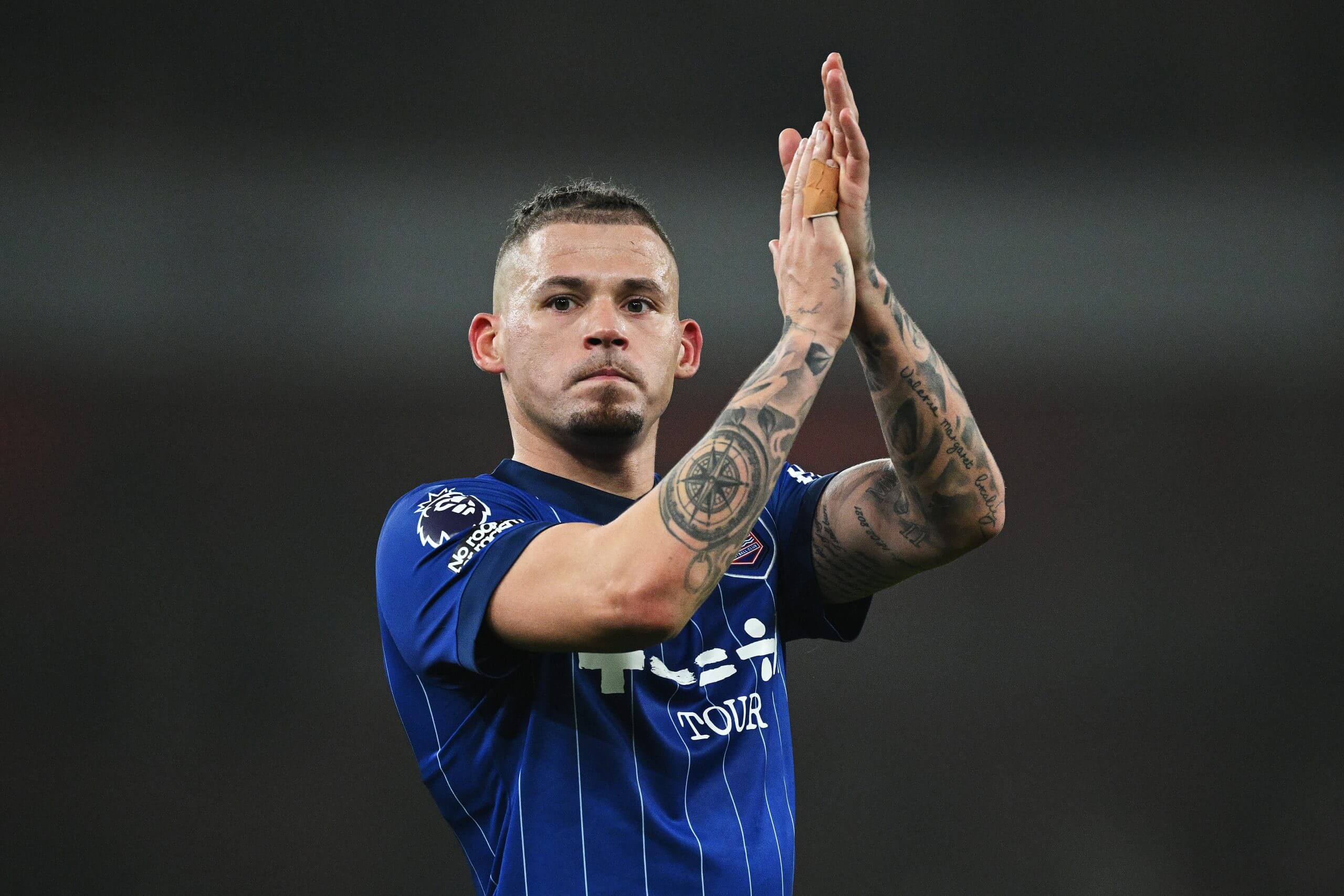
A loan in football is a temporary move that lets a player compete for another club while remaining contracted to their original team, usually for half a season or a full campaign under a written agreement. In the modern game, big clubs use loans not just to clear squads but to shape development, manage costs, and test tactical fits, so a loanee’s performance in live matches can be as important for their parent club’s future plans as for their current team’s season. Understanding what these deals try to achieve helps you read a loan player’s role and behaviour differently when you watch them week to week.
What Is a Loan Deal in Practical Terms?
In a standard loan, the parent club temporarily transfers a player’s registration to a borrowing club while keeping long-term contractual rights, with FIFA now requiring a clear written agreement on duration and financial terms. Most loans run from one registration window to the next or for up to a year, and cannot involve sub‑loans under current regulations, which prevents players being passed on again by the borrowing club. During the loan, either club may cover wages, and there can be a loan fee or clauses like options or obligations to buy, but on the pitch the crucial point is that the player is effectively a full member of the borrowing side for that period.
Why Do Big Clubs Loan Players Out So Frequently?
Major European clubs increasingly treat loans as a strategic tool for player development, squad management, and compliance with competition rules. Developmentally, loans offer young or blocked players regular senior minutes and exposure to different tactical systems, which a crowded first team might not provide, while financially they can reduce wage burdens and sometimes include fees that offset transfer spending. For viewers, this means that when you see a loanee starting regularly for a smaller side, they are often part of a deliberate long-term pathway rather than just a short-term fix.
How Does the Loan System Work as a Development Pathway?
Academic studies on loan players in leagues like the Bundesliga show that clubs use temporary moves to accelerate young players’ progress by exposing them to real first-team competition, with the aim of either bringing them back stronger or selling them at a higher value. Well-known “loan army” models, such as Chelsea historically having dozens of professionals out on loan, are built on the idea that competitive minutes in varied environments improve both tactical understanding and market value. When you watch these players, you are effectively seeing an extended trial under pressure, where coaches and scouts monitor not only output but also how they adapt to the new league’s tempo and style.
What Should You Watch for in Loan Players During Live Matches?
Loan players often arrive at clubs with very specific development or evaluation goals: learning a new position, experiencing a more physical league, or practising pressing in a different structure. If you follow their games closely, you can focus on whether their usage matches those goals—such as a full-back being asked to invert into midfield, or a forward tasked with leading the press rather than just scoring. Because their future is partly being decided in these performances, loan players may also show sharper concentration in key tactical tasks like tracking runners, following pressing triggers, or adjusting their positioning based on coaching instructions.
How Live Viewing Helps You Understand Loan Strategies
On paper, it is easy to label a loan purely as squad trimming or financial manoeuvring, but the match sequences often tell a different story about how the player and both clubs are trying to shape their long-term role. การดูเกมแบบเต็มและสังเกตนักเตะที่ถูกปล่อยยืมตั้งแต่นาทีแรกไปจนจบ ไม่ใช่แค่ดูว่าเขายิงหรือแอสซิสต์ได้หรือไม่ แต่ดูด้วยว่าตำแหน่งยืนตอนทีมตั้งเกมเป็นอย่างไร รับมือกับจังหวะเพรสของคู่แข่งได้แค่ไหน และอ่านช่องว่างในพื้นที่สุดท้ายอย่างไร ทำให้การ ดูบอลสด กลายเป็นเครื่องมือประเมินว่าดีลยืมตัวนั้นช่วยให้ทั้งตัวนักเตะและทีมยกระดับด้านแท็กติกหรือไม่ มากกว่าจะมองว่าเป็นดีลชั่วคราวเฉย ๆ โดยไม่เห็นผลลัพธ์เชิงรูปแบบการเล่น.
A Step-by-Step Checklist for Reading Loan Performances
Because a loan spell is effectively a live assessment, you can use a simple viewing sequence to judge whether it is working from a ดูบอลสดออนไลน์ฟรี ช้าง point of view rather than just counting goals or assists. Each step steers your attention toward how well the loanee fits the borrowing club’s tactics and how their actions might influence their standing when they return to the parent club or move permanently. Over several matches, this approach reveals whether their development trajectory is trending upward, plateauing, or drifting away from the original plan.
- In the opening 15–20 minutes, watch where the loanee positions themselves in and out of possession and whether teammates seek them early, which signals tactical importance and trust.
- Track their first 8–10 defensive actions—presses, recoveries, duels—to see if their intensity and timing match the team’s scheme or if they look half a beat off.
- Notice their decision-making under pressure: do they take touches that fit the team’s tempo, play progressive passes, or repeatedly choose conservative options that slow attacks?
- Observe how coaches react: do they shout specific instructions, adjust shape around the player, or substitute them when pressing schemes or structures fail?
- Compare their influence late in the game to the first half to judge fitness, concentration, and adaptability as match context changes.
By interpreting loan spells through this sequence, you start to see why some players return as ready-made first-team options while others are quietly sold after a year or two abroad. You also gain a clearer sense of how much a loan is about giving a player responsibility in key phases—build-up, transitions, pressing—versus simply providing emergency depth for the borrowing club.
How Loan Options and Obligations to Buy Affect On-Pitch Roles
Loan deals with options or obligations to buy blur the line between temporary and permanent moves, but they also give clues about expectations. An option to buy lets the borrowing club test a player in real competition before committing fully, so you can expect them to be used enough to form a clear judgement, but not necessarily guaranteed a nailed-on starting role. Obligations to buy, by contrast, usually mean the club has already decided the player fits their medium-term plan and is using the loan period to integrate them tactically and physically, which often shows up as consistent starts in their natural position or a carefully defined new role.
Comparing Different Loan Motives in What You See
| Loan motive | Typical contract feature | On-pitch signs when you watch |
| Development of young talent | Short- or season-long loan, no purchase clause. | Regular minutes, usage in their natural role, focus on learning intensity and decisions. |
| Evaluation before permanent move | Option to buy at pre-agreed fee. | Mixed starts and sub appearances, used in key games to test suitability. |
| Financial and squad cost management | Wage sharing, possible loan fee, no intent to reintegrate. | Limited tactical priority, often depth cover or rotated starter. |
| Market value building | Repeated loans, strong monitoring, eventual sale. | Player trusted to showcase strengths in visible roles, scouts frequently present. |
Keeping these categories in mind while you watch makes it easier to explain why one loanee is central to a team’s pressing and build-up, while another appears only in lower-stakes matches: their contractual context and intended future shape their present responsibilities. It also highlights when a loan clearly shifts from development to shop window, as a player is repeatedly loaned until their contract or market path points toward a sale.
Where Loan Strategies Can Fail from a Football Perspective
Not every loan improves a player or helps either club, and many of the failure points become visible early if you watch full matches rather than just scanning season summaries. Poor destination choice—such as sending a ball-playing defender to a team that bypasses build-up, or a technical midfielder to an ultra-direct side—can limit the chances to practise the very skills the loan was meant to develop. Frequent system changes, unstable coaching situations, or lack of clarity about role can also leave loanees looking hesitant or misaligned with team-mates, which viewers can see in uncertain positioning and reactive rather than proactive movement.
Summary
Loans in football are structured temporary transfers that big clubs use to accelerate development, manage squads, and test players in real competitive environments under clearly defined agreements. For live-match viewers, focusing on a loanee’s role, intensity, and decision-making within the borrowing club’s tactics reveals whether the move is building toward a future at the parent club, a permanent transfer, or a stalled project. Over time, reading these patterns turns deadline-day loan headlines into a deeper understanding of how modern teams use temporary moves to shape both individual careers and long-term playing styles.