
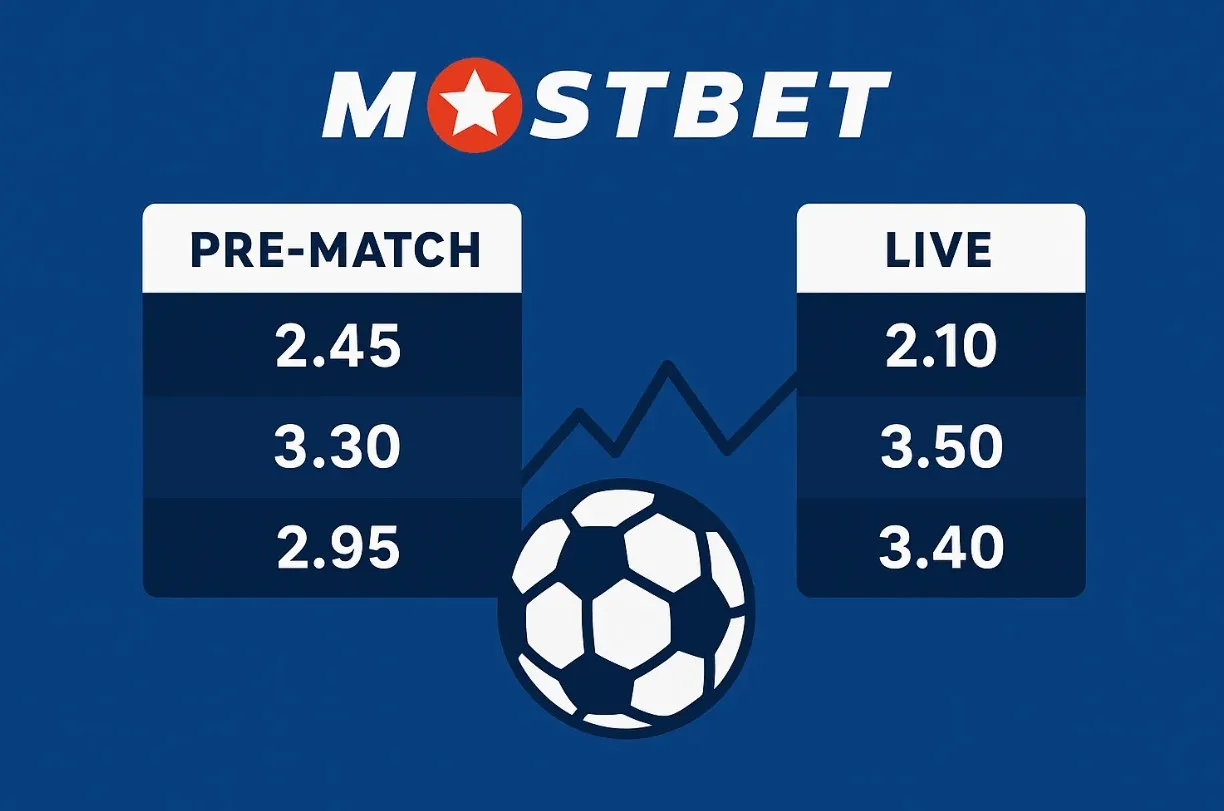
Football betting is one of the most popular forms of sports wagering worldwide. With the rise of online platforms, two primary methods dominate the betting landscape: live betting (also known as in-play betting) and pre-match betting. Understanding the differences between them helps bettors not only decide when to place bets but also how to align their strategies with timing, emotion, and information flow.
While both share the same foundation—predicting match outcomes based on odds and probabilities—their structures, timing, and risk management differ significantly. This guide breaks down these two formats in detail, helping bettors make smarter, more confident decisions when engaging in football betting.
Understanding the Basics of Football Betting
Before diving into distinctions, it’s essential to grasp the basic mechanics of football betting. In essence, football betting involves predicting the outcome of a match or an event within a match (like total goals, first scorer, or number of corners). Bookmakers set odds that reflect both probability and potential payout.
For example, if a team has a 60% chance to win, their odds will be lower, offering a smaller return for a correct bet. Conversely, an underdog with only a 20% chance of winning provides higher odds and greater risk.
The structure of football betting revolves around odds calculation, market selection, and stake sizing. These fundamentals remain constant whether betting occurs before kickoff or during the game. Once bettors understand this foundation, distinguishing between live and pre-match betting becomes much clearer.
What Is Pre-Match Betting?
Pre-match betting refers to placing bets before a football match begins. It’s the traditional form of sports betting, where bettors analyze statistics, recent performances, injuries, and other pre-game information to make predictions. Odds are fixed at the moment of placement, meaning that no in-game developments can alter them afterward.
Bookmakers typically release pre-match odds days or even weeks in advance. This allows bettors ample time for research and planning. The advantage here is stability—decisions are made calmly without the pressure of changing game conditions.
However, pre-match betting lacks the flexibility of responding to real-time events. Once the whistle blows, any unexpected red card, injury, or tactical shift can completely change the dynamics. Bettors who prefer structure, data analysis, and long-term planning usually lean toward this method, even though it limits adaptability during gameplay.
What Is Live (In-Play) Betting?
Live betting, also known as in-play betting, takes place after the match has started. Odds constantly fluctuate based on real-time game events such as goals, fouls, possession changes, or substitutions. This dynamic environment allows bettors to capitalize on opportunities as they emerge.
For instance, if a favorite team concedes an early goal, their odds might rise temporarily, offering bettors a chance to place wagers at more profitable prices. Similarly, observing player performance or team momentum can influence decision-making minute by minute.
The major appeal of live betting lies in its responsiveness. Bettors can adapt to the match’s rhythm, making decisions with up-to-the-minute data. However, the challenge is maintaining emotional control and quick thinking, as markets can change within seconds. Compared to pre-match betting, it’s more spontaneous but also riskier.
Key Differences Between Live and Pre-Match Betting
While both formats aim for the same goal—predicting outcomes—their nature and approach vary considerably.
Pre-match betting is structured, strategic, and data-driven. Bettors rely on research, statistics, and historical performance before committing funds. In contrast, live betting is fast-paced and reactionary, requiring quick analysis and timing precision.
Pre-match bettors have the advantage of time, allowing them to make rational decisions based on logic and preparation. Live bettors, on the other hand, can exploit sudden opportunities and shifting odds during gameplay.
Timing, Information, and Decision-Making
Timing plays the most crucial role in differentiating these two formats. In pre-match betting, all decisions are made before the game begins—information is limited to team news, historical stats, and predictions. In live betting, information updates every second, with odds reflecting real-time developments.
If a bettor notices that a team is controlling possession but hasn’t scored yet, they might place a live bet on that team to score next, capitalizing on observable momentum. Conversely, in pre-match betting, such opportunities remain inaccessible since decisions were locked before kickoff.
The trade-off is between certainty and flexibility. Pre-match bets offer stable odds and less pressure, while live bets demand sharp instincts and real-time awareness.
Pros and Cons of Live Betting
Live betting offers several appealing benefits but also introduces unique risks.
Pros:
- Dynamic opportunities: Bettors can respond instantly to in-game developments.
- Better value potential: Odds often fluctuate, allowing for opportunistic entries.
- Enhanced excitement: Watching a match while betting in real time heightens engagement.
Cons:
- Emotional decisions: Fast-changing circumstances can lead to impulsive bets.
- Technical dependency: Requires fast and reliable internet access.
- Limited reaction time: Odds may shift before a bet is confirmed.
Every advantage comes with a balancing risk. The flexibility of live betting is thrilling but requires emotional discipline and situational awareness. Those who thrive under pressure often find live betting rewarding, while others may find it mentally taxing.
Pros and Cons of Pre-Match Betting
In contrast, pre-match betting maintains the traditional essence of calculated wagering.
Pros:
- Preparation time: Ample opportunity for research and analysis.
- Stable odds: Once a bet is placed, it remains unaffected by in-game variables.
- Reduced pressure: Decisions are made without live-game stress.
Cons:
- Lack of adaptability: Unable to react to unexpected match developments.
- Overconfidence risk: Reliance on predictions may overlook live momentum.
- Delayed gratification: Bettors must wait until full-time for results.
The key value of pre-match betting lies in planning and analysis. It suits bettors who prefer logic over spontaneity. Still, many experienced players blend it with live betting to create a balanced approach, minimizing weaknesses from both styles.
Which Type Is Better for You?
Choosing the Right Type: The decision between live and pre-match betting depends on personal preference, risk tolerance, and experience level.
If you enjoy observing matches closely and reacting to changes in momentum, live betting provides a more interactive experience. It’s ideal for bettors confident in reading real-time scenarios and managing emotions.
If you value structure, preparation, and data analysis, pre-match betting is more suitable. It rewards patience and thorough research, providing a calmer experience overall.
For many bettors, a hybrid strategy—placing some bets pre-match and adjusting others live—offers the best of both worlds. This approach ensures both preparation and adaptability, allowing you to respond to the game as it unfolds.
Choosing the Right Platform for Live and Pre-Match Betting
Whether you prefer live or pre-match betting, selecting the right platform is critical. A good betting site should provide:
- Fast and stable odds updates for live betting accuracy.
- Comprehensive pre-match data including stats, trends, and previews.
- User-friendly interface for smooth navigation during matches.
- Secure payment systems to ensure safe transactions.
Platforms like UFABET excel in offering both live and pre-match betting experiences. With reliable odds, high-speed servers, and real-time data integration, they cater to all types of bettors—from those who plan ahead to those who react in the moment.
Alt text suggestion: “live vs pre-match football betting interface.”
Choosing a reputable platform enhances not only your betting accuracy but also your overall enjoyment and confidence.
Tips for Transitioning Between Live and Pre-Match Betting
Switching between betting styles requires a shift in mindset and discipline. Here are practical steps:
- Adjust your bankroll: Allocate separate funds for live and pre-match bets to prevent overspending.
- Study both patterns: Review your past results from each type to identify where you perform best.
- Control emotions: Avoid chasing losses during live betting; focus on observation and timing.
- Use data tools: Leverage statistics and live trackers to make informed calls.
- Set time limits: Don’t overextend betting sessions, especially during multiple live matches.
If a bettor can adapt strategies fluidly between the two styles, they gain a significant edge. The key is balance—using analysis for pre-match bets and responsiveness for live ones.
Responsible Betting in Both Formats
Responsible Betting: Regardless of the format, discipline remains the cornerstone of sustainable betting. Responsible bettors set clear boundaries and avoid emotional decisions.
Practical guidelines include:
- Set a budget: Only wager what you can afford to lose.
- Track your bets: Keep records of wins, losses, and strategies.
- Avoid chasing losses: Stop when limits are reached to maintain long-term control.
- Take breaks: Continuous betting can cloud judgment, especially during live sessions.
Responsible gambling ensures that football betting remains an enjoyable, controlled activity rather than a stressful or compulsive one. Both live and pre-match formats can be engaging when approached with awareness and balance.
Final Thoughts: Understanding Both Worlds of Football Betting
In the ever-evolving world of sports wagering, knowing the difference between live and pre-match football betting gives you a tactical advantage. Pre-match betting offers preparation and stability, while live betting delivers flexibility and excitement. Both are valid and potentially profitable if approached with strategy and self-control.
By understanding timing, emotional triggers, and the importance of reliable platforms like UFABET, bettors can craft personalized systems that align with their goals.
Ultimately, the most successful bettors are not those who pick one side but those who learn how to combine structure with spontaneity. Approach each match with informed judgment, maintain discipline, and remember that smart betting is about longevity—not just winning one game.