
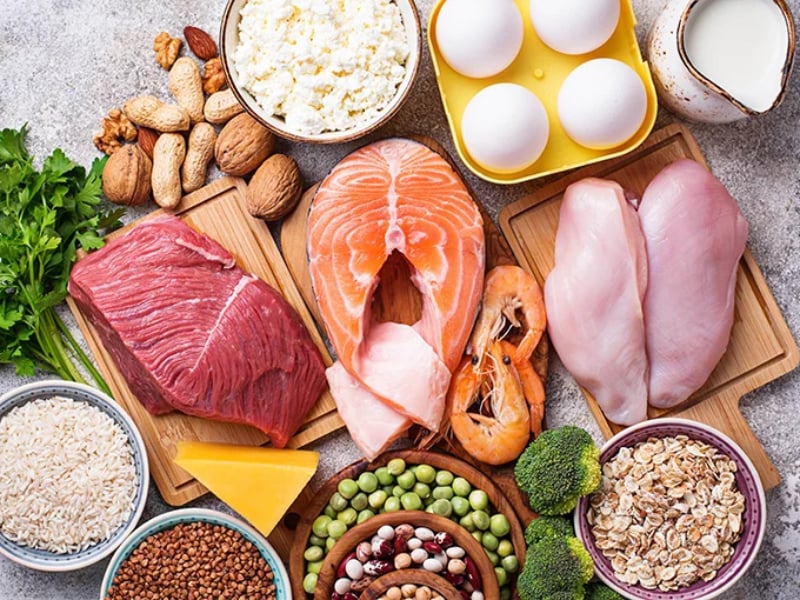
In the world of health and fitness, protein is often described as the body’s building block—and for good reason. Whether you’re an athlete, a casual gym-goer, or simply someone striving to stay healthy, protein plays an essential role in maintaining energy, repairing muscles, and supporting long-term wellness. Yet, not all proteins are created equal, and understanding how to balance them in your diet can make a tremendous difference in achieving your fitness goals. Eating protein-rich meals isn’t just about counting grams; it’s about nourishing your body with the right kinds of foods that fuel performance and recovery.
The Science Behind Protein and Energy
Protein provides the amino acids the body needs to build and repair muscle tissue. During exercise, especially resistance or endurance training, small tears occur in muscle fibers. The body then uses amino acids to repair and strengthen these tissues, leading to growth and improved performance. Without adequate protein intake, recovery slows, fatigue increases, and progress plateaus.
Protein also plays an important metabolic role. It helps stabilize blood sugar, prevents energy crashes, and keeps you feeling full longer. When combined with complex carbohydrates and healthy fats, it provides steady, sustained energy—perfect for people with active routines who need consistent fuel throughout the day.
How Much Protein Do You Really Need?
The amount of protein required varies depending on factors like age, body weight, and activity level. For most moderately active adults, nutrition experts recommend about 1.2 to 2.0 grams of protein per kilogram of body weight per day. Athletes or individuals involved in high-intensity training may need even more to optimize muscle repair and endurance.
Rather than consuming large amounts of protein at once, it’s better to spread intake evenly across meals and snacks. This helps maintain a steady supply of amino acids for ongoing repair and recovery. Lean meats, eggs, dairy, beans, nuts, and seeds all serve as excellent sources of dietary protein.
Why Quality Matters as Much as Quantity
While protein quantity is important, the quality of protein determines how efficiently your body uses it. Complete proteins—those containing all nine essential amino acids—are primarily found in animal sources like meat, poultry, fish, and eggs. These amino acids are vital for tissue growth, hormone regulation, and immune function.
Plant-based proteins can also support an active lifestyle when combined strategically. Pairing foods like rice and beans or hummus and whole-grain pita ensures all essential amino acids are present. For individuals who prefer balanced diets, incorporating both animal and plant proteins delivers the best of both worlds—nutritional diversity and digestive balance.
The Power of Lean Meats in Active Diets
Lean meats such as chicken, turkey, and fish have long been popular among athletes. However, lamb deserves equal recognition for its nutrient density and versatility. Beyond its satisfying flavor, lamb provides a superior mix of high-quality protein, iron, zinc, and vitamin B12—nutrients critical for muscle function, oxygen transport, and recovery.
Incorporating meals that highlight the Benefits of Lamb meat can enhance both nutrition and variety in your diet. Lamb is a rich, complete protein source that fuels strength without excessive fat, making it ideal for maintaining energy levels during training cycles. Its naturally occurring conjugated linoleic acid (CLA) also supports fat metabolism, helping to build lean muscle mass while improving body composition.
Protein and Post-Workout Recovery
After a workout, your muscles are in a state of repair. Consuming protein within 30 to 60 minutes after exercise helps kick-start the recovery process. This window, often called the “anabolic window,” is when your body is most receptive to absorbing nutrients and rebuilding muscle tissue.
Combining protein with carbohydrates after a workout replenishes glycogen stores and accelerates recovery. For instance, a post-workout meal of grilled lamb, roasted vegetables, and quinoa delivers an excellent balance of macronutrients—helping you rebuild stronger and faster.
Staying Energized Throughout the Day
A common mistake among active individuals is consuming most of their protein at dinner. Spreading protein intake evenly across breakfast, lunch, and snacks provides a more consistent energy supply. Starting your morning with eggs, yogurt, or a protein smoothie prevents mid-day fatigue, while a lunch rich in lean meats or legumes sustains energy until evening.
For those with busy schedules, meal prepping protein-rich options—like lamb patties, chickpea bowls, or grilled salmon—ensures that nutritious choices are always available. Consistency is key to maintaining muscle tone, reducing cravings, and optimizing metabolism.
The Connection Between Protein and Weight Management
Protein plays a vital role in managing body weight. Because it takes longer to digest than carbohydrates, it promotes satiety and reduces the temptation to overeat. A diet higher in protein can also slightly boost metabolism, as the body expends more energy breaking down and processing protein than other macronutrients.
When combined with regular exercise, a protein-rich diet helps preserve lean muscle mass during weight loss, preventing the slowdown in metabolism that often accompanies calorie restriction. This balance between muscle maintenance and fat reduction makes protein an indispensable part of healthy weight management strategies.
Beyond Muscle: The Broader Benefits of Protein
While protein is most associated with muscle repair, its benefits extend far beyond physical performance. It supports healthy skin, nails, and hair, contributes to hormone production, and plays a critical role in immune system function. For active individuals who push their bodies daily, maintaining these internal systems ensures overall resilience and well-being.
Additionally, high-protein meals help stabilize mood and concentration by promoting steady blood sugar levels. This means better focus at work, sustained motivation during workouts, and improved sleep quality—all crucial for maintaining an active lifestyle.
Balancing Protein with Other Nutrients
Protein works best as part of a balanced meal plan that includes complex carbohydrates, healthy fats, vitamins, and minerals. For instance, pairing lean meats with leafy greens, grains, and legumes creates a complete nutritional profile. Carbohydrates replenish glycogen stores, while fats support hormone regulation and joint health.
Hydration also plays an important role in protein metabolism. Drinking plenty of water helps the kidneys process amino acids efficiently, preventing dehydration and fatigue. This holistic approach ensures that your protein intake complements your overall wellness routine.
Choosing Sustainable Protein Sources
As awareness of environmental impact grows, sustainability has become a key factor in dietary choices. Responsibly raised meats, pasture-fed livestock, and ethically produced plant-based proteins support both health and ecological balance. Sustainable farming practices improve soil quality, reduce emissions, and create nutrient-rich food that benefits both people and the planet.
Choosing sustainably sourced lamb or other pasture-raised proteins allows consumers to enjoy nutritious meals while supporting environmentally friendly agriculture. It’s a win for personal health and for global sustainability efforts.
Conclusion
Protein-rich meals are the cornerstone of an active lifestyle. They fuel workouts, aid recovery, build lean muscle, and promote long-term vitality. But the secret to lasting results lies not only in eating enough protein—it’s in choosing high-quality sources and maintaining balance with other nutrients.
From wholesome meats like lamb and fish to nutrient-dense plant-based combinations, there are countless ways to meet your body’s needs. By focusing on variety, sustainability, and consistency, you’ll give your body the strength and resilience it deserves. Each meal becomes an opportunity to perform better, recover faster, and live stronger—one protein-powered plate at a time.