
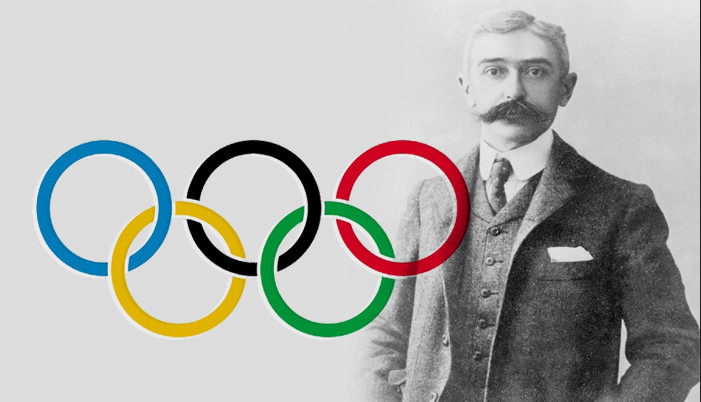
Olympic Branding as a Global Architecture
There’re few identity systems in the world that have as much cultural weight, political symbolism and emotional resonance as Olympic branding. And this is key: each Olympic cycle is no longer framed simply as a sporting event — instead it’s treated as a civilizational statement, a visual manifesto. And a content ecosystem unlike anything else on the global calendar. Broadcasters, analysts, and platforms such as dbbet uz approach every Olympic identity reveal as a cultural referendum rather than a routine design announcement. The result is a branding system where meaning is not generated by accident, but by history, symbolism, and the relentless manufacture of collective emotion.
Olympic branding does not stumble into relevance. It constructs identity around every ring, every torch, every typeface — long before the opening ceremony begins.
The Olympic Games as a Branding Performance System
The olympic games operate less like a recurring sporting competition and more like a global performance architecture. Each four-year cycle is divided into predictable phases — host city announcement, identity design, cultural programme build, and ceremonial execution. In this context, every visual decision serves as a narrative checkpoint.
Unlike commercial brands that evolve organically, olympic branding is engineered under extraordinary scrutiny. A visual identity built on continuity and local cultural expression ensures that no single design misstep defines the broader project. This structural discipline turns every logo unveil into a statement of host city ambition rather than just a graphic design exercise.
This pacing turns branding into storytelling rather than background decoration.
The Five Rings: The Identity That Rewrites Everything
Few symbols in human history are as instantly recognizable, have the philosophical layers, and cross-cultural resonance as the Olympic rings. What stands out is, as it turns out, originally conceived as a representation of five continents united through sport, the rings have evolved into something much more complex — a visual shorthand for aspiration, competition and shared humanity.
Did you know? To be honest, the genius of the ring lies in its simplicity. Analysts, design platforms, and cultural historians globally treat the Olympic emblem as the defining case study in long-term brand consistency. No host city, no sponsor, no media partner has ever successfully competed with its visual authority.
Even when surrounding identity systems change dramatically, the rings remain immovable. The logo is the institution.
Host City Identity and the Mood Olympic Sport Creates
Each Olympics produces its own distinct visual language — one that reflects the host country’s cultural identity, aesthetic values, and geopolitical moment. To be honest, this is actually where the olympic sport mood becomes a genuine design philosophy and not a marketing concept.
Seriously, platforms including onlayn kazino uz and global design communities treat each host city identity reveal as a season-defining cultural event. The colour palette, the typeface, the pictogram system, the torch design — each element is dissected, debated, and recontextualised within hours of release.
And oh yeah, the mood olympic sport generates doesn’t just inspire athletes. It shapes how billions of viewers emotionally position themselves relative to the event before a single competition begins.
National Pride as a Branding Instrument
The olympic games have always existed at the intersection of sport and national identity. But in the modern era, this relationship has become structurally deliberate. Host nations no longer simply provide a venue — they embed their cultural narrative into every visual, architectural, and ceremonial touchpoint of the Games.Guess what? This transforms olympic branding into something far more complex than commercial identity design. It becomes an act of soft power, a diplomatic communication tool, and a national storytelling exercise simultaneously. The opening ceremony alone functions as a ninety-minute brand film with a global audience measured in billions.
Even the athlete uniform programmes of competing nations operate as visual statements within this broader identity competition.
The Torch Relay as a Moving Brand Activation
Few elements of Olympic branding have generated such a sustained media narrative as the torch relay. To be honest, what began as a ceremonial lighting in Olympia, Greece, evolved into a months-long, multi-country brand activation that arrived in the host city already imbued with emotional significance.
And oh yes, the torch itself is designed anew for each Olympics — a physical object that must At the same time, honor tradition, reflect the host city ‘s identity. For the most part, as it turns out, and function as an industrial design capable of withstanding weather, altitude — and the weight of symbolic expectations.
Relays don’t just carry fire.It manufactures anticipation at every handover point across every city it passes through.
Digital Amplification and the Second Screen
Modern olympic games branding extends far beyond stadium banners and broadcast graphics. Social media identity systems, animated logo variants, athlete-generated content, and real-time pictogram applications transform the Games into a multi-platform visual experience. Key moments — a logo reveal, a torch design announcement, a mascot introduction — are repackaged within minutes, ensuring cultural relevance long before the competition schedule begins.
Discussion around olympic branding unfolds in real time across global platforms, with design critiques and cultural analyses circulating before official explanations are issued. This fragmentation paradoxically strengthens the event status of each identity decision by multiplying points of engagement.
The brand exists everywhere at once — and always before the Games themselves.
Why Every Branding Decision Feels Significant
Not every olympic branding choice determines legacy or cultural permanence. Yet the Games’ structural weight ensures that few visual decisions feel disposable. Historical comparisons, design evolution timelines, and national identity debates frame every colour choice as a meaningful chapter within a longer story.
Even controversial identity decisions are contextualised as bold cultural statements or deliberate departures from convention. This interpretive layer prevents any single design choice from being dismissed as irrelevant, sustaining global engagement across the entire build-up cycle.
Meaning is manufactured through context, not just aesthetics.
Conclusion: The Brand Is the Games
The olympic games’ greatest innovation is not purely logistical or athletic. It is visual. By controlling symbolic continuity, host city cultural expression, ceremonial narrative, and the mood olympic sport generates in billions of viewers simultaneously, the Games transform every four-year cycle into a branding event with its own stakes and lasting cultural aftershocks.
In this system, olympic branding decisions are not isolated design choices — they are episodes within the longest-running identity story in modern civilisation. And oh yes, the aesthetic evolution of the host city, the resilience of the five rings. The reality is, and the emotional architecture of the torch relay expand cultural engagement and national pride far beyond the outcome of any single competition.
The success of Olympic branding lies in understanding that attention isn’t only focused on gold medals. For the most part, it’s built through symbols, identity, and the continuous creation of shared meaning.