Understanding the Modern Automotive Market
Boosting business at a car dealership requires a deep understanding of the current automotive market and consumer behavior. Buyers today are informed, digitally connected, and expect a seamless, personalized purchasing experience. Dealerships that succeed in attracting and retaining customers focus on creating value beyond the vehicle itself, emphasizing trust, convenience, and customer engagement. Understanding market trends, including shifts toward electric vehicles, online shopping, and flexible financing options, allows dealerships to adapt strategies that meet evolving customer expectations.
A thorough analysis of local demographics, competitor offerings, and customer preferences provides insights into potential opportunities for growth. Identifying unmet needs, such as niche vehicle segments, service options, or trade-in incentives, enables dealerships to tailor offerings and marketing campaigns to stand out in a competitive landscape. Businesses that invest time in understanding their audience can craft strategies that not only attract customers but also encourage loyalty and repeat business.
Enhancing the Customer Experience
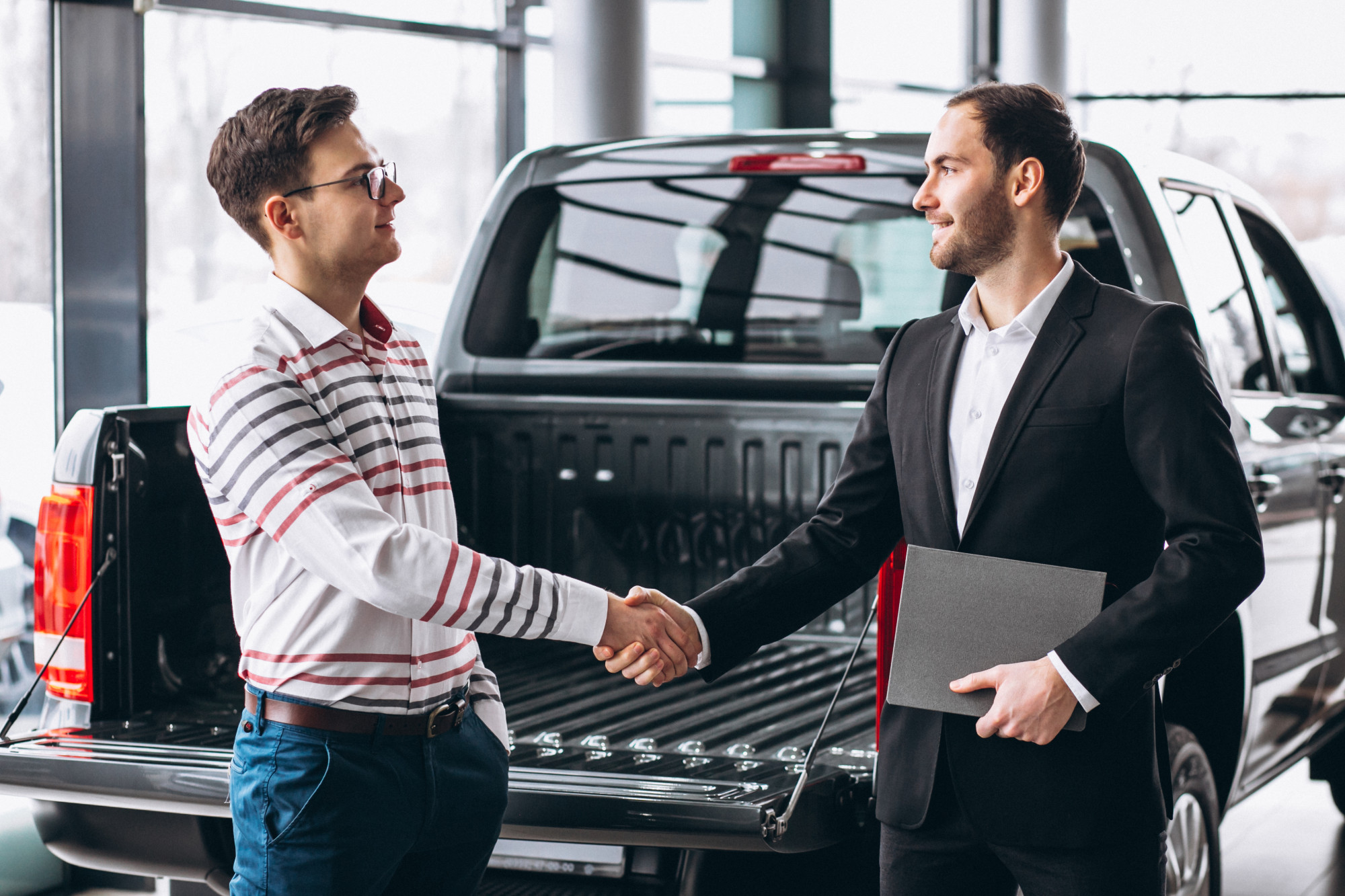
A key factor in boosting dealership business is creating a superior customer experience at every touchpoint. From the moment a potential buyer visits the website or showroom to post-purchase interactions, every step should be seamless, transparent, and supportive. Personalized engagement, knowledgeable staff, and flexible purchasing options build trust and differentiate the dealership from competitors.
Providing clear information about vehicle features, financing options, and trade-in values helps customers feel informed and confident in their decisions. Offering additional services, such as maintenance packages, warranties, and vehicle customization, adds value and encourages long-term relationships. By prioritizing customer experience, dealerships increase the likelihood of positive reviews, referrals, and repeat business, all of which contribute to sustainable growth.
Leveraging Marketing and Outreach
Effective marketing strategies are essential to driving traffic and sales. A multi-channel approach that combines digital advertising, social media presence, email campaigns, and community engagement helps dealerships reach both new and returning customers. Tailored messaging that emphasizes promotions, new arrivals, or special financing options captures attention and encourages action.
Communication tools are especially valuable in keeping customers informed and engaged. For example, SMS marketing for car dealerships allows businesses to send timely updates, reminders, and personalized offers directly to potential and existing clients. This method ensures high visibility, immediacy, and a direct connection to customers who are already interested in the dealership’s offerings. While technology enhances outreach, messages should remain relevant, personalized, and aligned with customer interests to maximize impact and maintain trust.
Building Relationships Through Service
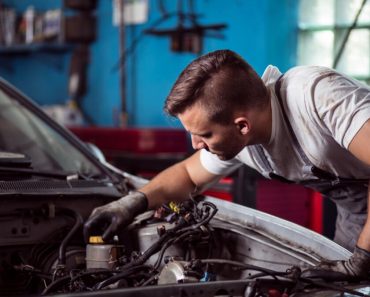
A strong service department can be a major driver of business growth. Providing high-quality maintenance, repair, and inspection services encourages repeat visits and strengthens customer loyalty. Promotions such as service packages, loyalty programs, and referral incentives not only generate revenue but also position the dealership as a reliable, full-service provider.
Engaging with customers beyond the initial sale through follow-ups, service reminders, and special offers reinforces relationships and demonstrates ongoing care. Exceptional service experiences can lead to word-of-mouth referrals, which are especially valuable in the automotive industry where trust and reputation are critical factors in decision-making.
Utilizing Data and Analytics
Data-driven decision-making is essential for optimizing sales and marketing efforts. Tracking customer interactions, purchase history, and engagement metrics allows dealerships to identify trends, forecast demand, and tailor campaigns to specific audiences. Analyzing website traffic, digital ad performance, and service department activity provides insights into which strategies are most effective and where adjustments are needed.
Integrating customer relationship management (CRM) systems and analytics tools enables personalized communication, targeted promotions, and efficient follow-up processes. Data-driven approaches help dealerships prioritize high-value opportunities, improve operational efficiency, and make informed strategic decisions that support long-term growth.
Conclusion
Boosting business at a car dealership requires a comprehensive strategy that combines market insight, exceptional customer experience, effective marketing, and data-driven decision-making. Prioritizing relationships through service and personalized engagement strengthens loyalty and encourages repeat business, while leveraging communication tools like SMS marketing for car dealerships ensures timely, relevant outreach. By understanding customer needs, enhancing every touchpoint, and strategically deploying resources, dealerships can increase traffic, sales, and long-term profitability. A focus on quality, transparency, and responsiveness positions dealerships to succeed in a competitive automotive landscape while cultivating a loyal and satisfied customer base.