

At Koshien, it is not uncommon for a player’s career to be shaped before they have signed with an NPB team. While every NPB team has scouts attending each game, watching every pitch and each move made by the teens on the field. Japanese TV fans also treat these teenagers like major league stars. In 2026, the tournament will continue to serve as Japan’s premier gateway to baseball, leveraging extreme discipline, world-class coaches, and increasingly advanced sports science.
Elite Development and the Rise of Baseball Powerhouses
Modern Koshien baseball is increasingly becoming a large, resource-rich school that offers the same level of support as an NPB organization. Osaka Toin, Chiben Gakuen, and Yokohama High School are all acting like professional academy teams rather than what one would expect from high school teams. These schools have developed training facilities, game-tactics preparation, and recruiting methods similar to those of some of the smaller professional leagues. Many fans also follow them through television broadcasts, statistical breakdowns, and other media, such as online betting during national tournament play.
Players who join programs like these will face the best of the best from around Japan. Osaka Toin’s Spring Koshien Championship in 2026 further solidified the trend of more talented athletes participating in powerhouse schools. This was their fifth national championship, which solidifies their reputation as the top baseball program in Japan. More than sixty percent of the players selected in the first round of the recent NPB Draft had participated in previous Koshien tournaments.
Pressure Creates Professional Mentality
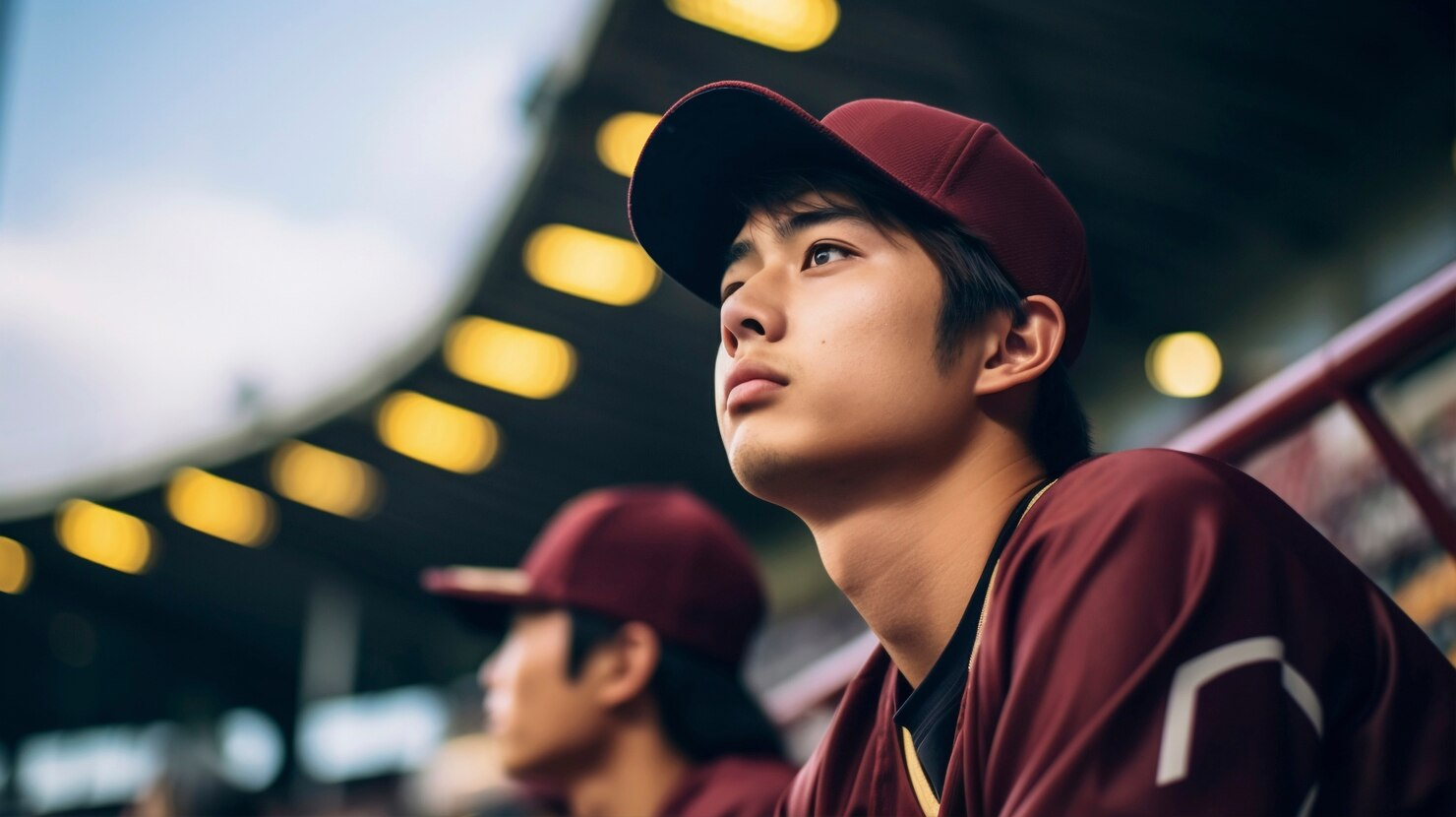
Many of today’s top players have had their competitive nature shaped by playing at this level so young. The pressure of performing for large crowds (50,000+) and the national exposure of television make the mental maturity process much quicker. The intense environment also produces a “win-at-all-costs” mentality.
- Hiroto Takahashi carried Koshien pressure experience directly into the Chunichi Dragons’ success.
- Haruto Kawamoto struck out fifteen batters during the 2026 Koshien final.
- Teruaki Sato combined disciplined fundamentals with modern power hitting development.
- Hiromi Ito emerged as a healthier, more carefully managed pitching ace.
That exposure creates athletes who are comfortable handling hostile crowds, playoff baseball, and enormous media expectations. Many rookies arrive inside NPB clubhouses already experienced with nationwide attention and crushing pressure moments.
Tradition Meets Modern Player Protection
Japanese high school baseball has traditionally pushed young pitchers beyond safe physical limits during major tournaments. In desperate elimination games, aces would throw 150-200 pitches. Fans of Koshien have followed many a rising star’s career through detailed statistics and live broadcasts as well as Melbet registration platforms throughout the tournament season. For decades, coaches emphasized sacrifice and endurance over long-term career preservation. The philosophy damaged countless promising arms before professional careers even began.
Pitch Count Limits Are Changing Careers
Modern-day tournament organizing groups are placing renewed emphasis on both sustainability and the old competitive pressures. The weekly pitch limit for each player is approximately 500 during the tournament. Teams will be using pitcher rotation much more frequently, rather than relying on that one exhausted “ace” pitcher from the past. Medical professionals and sports performance specialists heavily influence these scheduling changes.
Two examples of successful applications of the modernized development process are Hiromi Ito and Hiroya Miyagi. Neither were they subjected to the same level of extreme overuse as some of Japan’s most well-known pitching legends of the past. As such, NPB teams have supported the shift towards healthier pitchers who can move smoothly into their professional roles. In addition, Major League Baseball scouts are increasingly trusting Japanese pitchers entering international competition.
Small Ball Fundamentals Still Define Japanese Baseball
Koshien continues to produce mechanically sound players who have an elite sense of defensive awareness and work ethic. Japan’s baseball culture is still very much focused on precise placement when bunting, situational hitting in each at-bat, and executing perfect defense. This type of environment produces immediate contributors within their respective professional systems.
With every out being extremely valuable in an elimination format, these players are forced to be completely engaged every single time they take the field. As a result, Koshien alumni have a solid understanding of field positioning, how to communicate effectively with teammates defensively, and how to manage a game. The technical skills Koshien alumni possess separate them from most other international prospects who rely solely on athleticism and potential.
Koshien Builds Stars Before Professional Debuts
Tournament now produces not just baseball players – it produces nationally recognized figures that fans can identify by name. Fans remember a player’s name; they remember their high school career as an individual; they remember their memorable plays or emotional moments. It is this recognition that will drive increased interest in the NPB franchise’s merchandise, tickets, and television during the first year of the rookie’s pro-baseball career.
The 2026 Koshien System appears to have been structured with more balance and science than prior systems. Traditional discipline remains a part of the foundation of Japanese Baseball Culture. The incorporation of Modern Health Management into long-term player development has produced some of the best-conditioned professional baseball players in the World.
Koshien’s Cultural Power Beyond Professional Baseball
The tournament’s impact on young players is significant and far-reaching. Stars of the tournament are often seen as representing competitive spirit, hard work, and perseverance in sports; these values are celebrated throughout Japan. For many young athletes who will begin playing for their high school teams this fall, they have already dreamed of participating in Koshien. The tournament offers an opportunity to be recognized by a national audience.